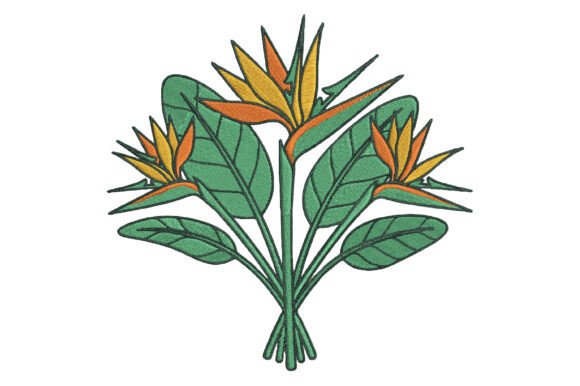
Paradise Flower Embroidery Design
A Bold, Tropical First Impression That Stops Shoppers in Their Tracks
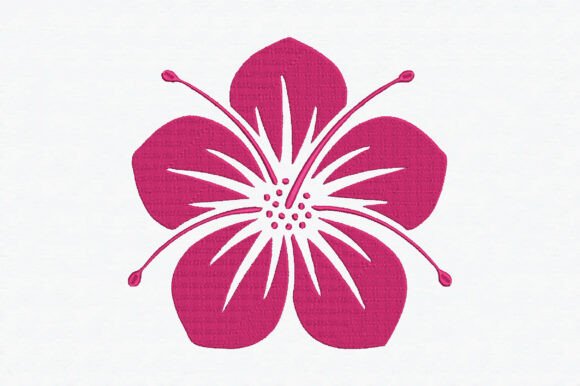
As an embroidery designer who’s prepped over 200 craft fair booths—from Portland pop-ups to Nashville maker markets—I can tell you this at a glance: Paradise Flower Embroidery Design reads as bold, vibrant, and unmistakably tropical. It doesn’t whisper—it blooms. That’s gold for handmade markets, where visual impact happens in under three seconds. Unlike minimalist single flowers or soft botanicals, this design leans into high-contrast energy: strong silhouettes, layered petals, and implied movement—just like the real bird of paradise. It feels premium without being fussy, modern without losing warmth. And yes, it lands squarely in the Single Flowers category—but with the presence of a full bouquet.
Where It Shines on Craft Fair & Handmade Market Products
This isn’t a “one-size-fits-all” embroidery file. Its strength lies in intentional placement—and knowing exactly where it commands attention.
- Tote bag design: Centered on a natural canvas or oat linen tote? Instant standout. The scale holds up beautifully at 4–5 inches wide, and the vertical shape echoes the bag’s clean lines.
- Apron embroidery: Perfect above the pocket or centered on the bib. Customers love that “tropical kitchen” vibe—especially at farmers’ markets or boutique food fairs.
- Tea towel embroidery: Works best on lighter-weight, tightly woven cotton towels. Avoid overly textured or looped terrycloth—the design’s clean petal edges need clarity, not fuzz.
- Embroidered patch: A top-tier choice. Stitched cleanly onto denim jackets, market bags, or reusable produce sacks, it adds instant personality and repeatable brand flair.
- Caps & curved surfaces: Proceed with caution. The asymmetrical bloom doesn’t wrap well around crown curves. Stick to flat panels (like the front of a structured trucker cap) and test hoop placement first.
- Pillow covers & small pouches: Ideal at 3–4 inches. Scales down gracefully without losing character—unlike many floral designs that devolve into blobs when miniaturized.
What Makes This Machine Embroidery Design Sell—Beyond Just Pretty
For Etsy sellers and small shop owners, Paradise Flower Embroidery Design delivers three quiet advantages: photogenic consistency, booth display strength, and repeatable handmade quality. It photographs sharply—even on mobile—thanks to its defined outlines and balanced negative space. On a crowded craft fair table, it draws eyes faster than muted neutrals or overworked motifs. And because it’s a single, cohesive bloom (not a cluster or monogram), it reinforces brand consistency across product types—whether stitched on a tea towel or a leather patch.
It also invites storytelling: “Inspired by Hawaii sunrises,” “Hand-stitched in Miami,” “Tropical vibes, locally made.” That emotional hook converts browsers into buyers—especially for giftable handmade products.
Production Reality Checks Every Embroidery Designer Should Make
Before stitching your first batch, treat Paradise Flower Embroidery Design like a new collaborator—not just a digital embroidery file. Here’s my non-negotiable checklist:
- Test on scrap fabric—especially if using dark thread on light fabric or vice versa. Bird-of-paradise colors often rely on contrast; verify thread colors pop, not mute.
- Review stitch density. Dense fill areas (like the central bract) can pucker lightweight fabrics. Use cutaway stabilizer for tea towels and tear-away for stable cottons.
- Confirm hoop size compatibility. Most versions fit standard 5x7 hoops—but check before loading 20+ towels.
- Inspect spacing between elements. Tight petal overlaps should stay legible at 3-inch scale. If details blur, simplify or adjust underlay in your embroidery software.
- Create one real mockup—not just a printable mockup. See how it drapes on a tote, how it feels under fingers on a linen apron, how light catches the satin stitches on a pillow cover.
- Compare fabric colors side-by-side. A warm ivory linen vs. cool white cotton changes how vibrancy reads. Don’t assume.
- Verify commercial licensing before selling finished products. As a digital embroidery file, its use rights directly impact your ability to sell embroidered tote bags, patches, or wholesale items.
Careful-Use Notes: Where Clarity Can Slip Away
This design thrives on intention—not improvisation. Avoid these pitfalls:
- Dense stitch areas on thick fabric: Skip heavy denim or double-layered canvas unless you’re using industrial machines and heavy-duty stabilizer.
- Textured towels: Waffle-weave or terry cloth swallows fine detail. Opt for smooth, medium-weight cotton or linen-blend tea towels instead.
- Dark fabric + light thread: May require extra underlay or topping to prevent shadowing—especially in petal tips.
- Small sizes under 2.5 inches: Petal separation and stamen definition begin to merge. Best used as a focal—not an accent—at tiny scales.
- No lettering or fine linework: Thankfully, Paradise Flower Embroidery Design avoids this trap. Its strength is silhouette and rhythm—not micro-detail—making it far more reliable for batch production than intricate script-based designs.
Final Verdict: A High-Return Craft Fair Staple
If you’re curating a booth lineup—or building a cohesive Etsy shop around handmade products—Paradise Flower Embroidery Design earns its place as a core Embroidery asset. It bridges seasonal appeal (think summer markets, bridal showers, garden parties) with year-round versatility (tote bags, patches, pillow covers). It’s bold enough to stand alone, refined enough to pair with neutral palettes, and practical enough to run efficiently across multiple fabric types.
For Cricut crafters adding embroidery layers, boutique makers developing signature collections, or digital sellers expanding their design assets—this isn’t just another floral motif. It’s a conversation starter, a photo magnet, and a quietly confident statement of craft. Just remember: let the bloom breathe, honor the fabric, and always—always—test before you commit to 50 tea towels.